
Dry ice, the solid form of carbon dioxide, possesses remarkable cooling capabilities and finds diverse applications. While its unique properties render it an invaluable tool, ensuring safety during handling and usage remains paramount. This comprehensive guide aims to emphasize the vital importance of dry ice safety and provide a concise overview of essential considerations. If you’re using dry ice for shipping perishables, industrial cleaning, or other purposes, it’s crucial to understand the necessary precautions. This will help prevent potential risks and maintain a safe environment. This guide provides the knowledge needed to harness the benefits of dry ice while minimizing hazards from handling techniques and storage guidelines to ventilation precautions and emergency preparedness.

Prioritizing the safe handling of dry ice is essential. It helps minimize potential risks and create a secure environment. You can ensure responsible practices and promote overall safety and well-being when working with dry ice by following these guidelines.
When working with dry ice, it is crucial to use proper Personal Protective Equipment (PPE). To protect yourself from potential skin and eye irritations, make sure to wear protective gloves and safety goggles. These essential items act as a shield, preventing direct contact with dry ice’s extremely low temperatures. By wearing such gear, you create a barrier that effectively insulates you from any potential harm, ensuring a safer working environment.
Image from Freepik
It is crucial to refrain from directly touching dry ice due to its extreme cold to avoid the potential risks of frostbite or burns caused by prolonged contact. Instead, utilize tongs, insulated gloves, or towels as intermediary tools when handling dry ice. You effectively reduce any chances of harm by maintaining this protective barrier between your skin and the dry ice.
When transporting and moving, it’s important to follow safe practices to avoid accidents. If you’re carrying dry ice in a vehicle, make sure there is proper ventilation in well-ventilated areas like the trunk. Be cautious of prolonged exposure in enclosed spaces because carbon dioxide gas can accumulate and become hazardous when dry ice sublimates. Securely carry dry ice using appropriate containers or packaging to minimize potential risks during transit.
Proper storage of dry ice is crucial to maintain its functionality and ensure the safety of both handlers and surroundings. It is important to follow specific guidelines for storing dry ice, as mishandling or inadequate containment can lead to hazardous situations. Inappropriate storage practices may result in the release of carbon dioxide gas, which poses health risks, particularly in enclosed areas. To guarantee the safe storage of dry ice, adhere to the following recommendations:

It is best to choose insulated containers like vented coolers or Styrofoam containers to keep dry ice cold and safely release carbon dioxide gas. These containers effectively provide insulation while allowing gas to escape during sublimation. Remember never to store dry ice in airtight containers as this can lead to dangerous gas buildup and potential explosion.
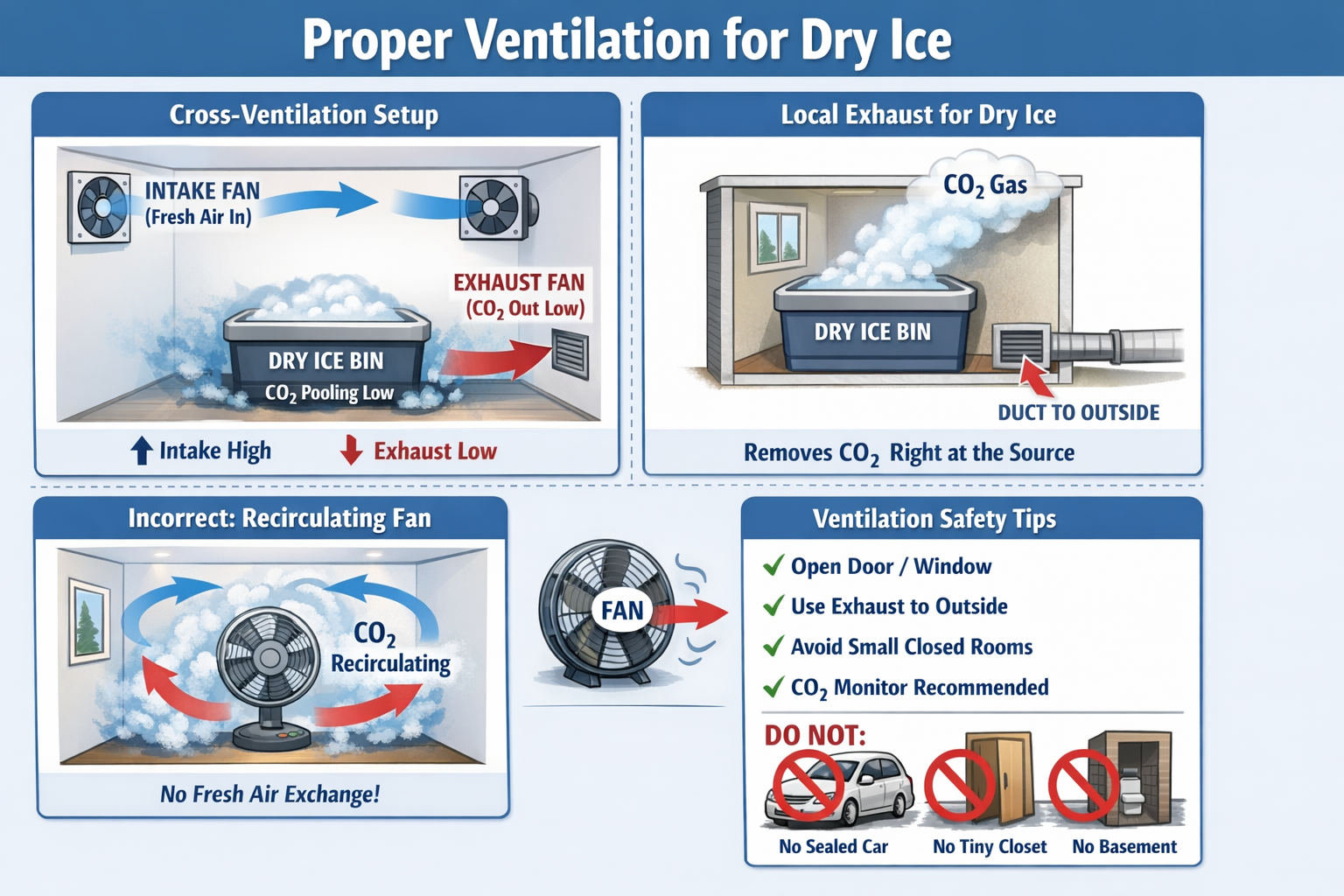
It is important to store dry ice in well-ventilated areas to ensure safety. This prevents the buildup of carbon dioxide gas and helps to maintain a safe level of oxygen. By avoiding confined or poorly ventilated spaces when storing dry ice, we can protect both the environment and the people nearby from potential suffocation or breathing difficulties.
The finite shelf life of dry ice is due to its sublimation process. It undergoes a transition from solid to gas, which limits its usability over time. It is essential to adhere to specific usage or disposal timeframes to maximize efficiency and minimize waste. By recognizing the effects of sublimation, individuals can proactively plan their activities involving dry ice. Whether through prompt utilization or proper disposal, desired outcomes can be achieved while minimizing resource inefficiencies. Adhering to these factors allows individuals to make the most of dry ice’s unique properties and strike a balance between effectiveness and responsible resource management.
It is crucial to prioritize proper ventilation to ensure a safe and breathable working environment when handling dry ice. By following these preventive measures, you can avoid the accumulation of carbon dioxide gas and promote adequate airflow:
Exercise caution when handling dry ice indoors. Dry ice sublimates, releasing carbon dioxide gas, which can displace oxygen and deplete breathable air. Avoid using dry ice in small enclosed spaces where gas accumulation may occur and lead to oxygen depletion to reduce the risk of suffocation.
Consider using carbon dioxide monitoring devices in situations where dry ice is extensively utilized or within enclosed environments. These devices can effectively track carbon dioxide levels, ensuring that the oxygen concentration remains within safe limits. Monitoring becomes especially crucial in settings with limited ventilation as it provides an early warning of potential safety hazards.
Ensuring the safe disposal of dry ice is crucial for maintaining a secure environment and preventing potential hazards. Due to its unique properties, such as transitioning from a solid to a gas form, improper disposal can release carbon dioxide gas in poorly ventilated areas, thus posing health risks. It is imperative that individuals adhere to established guidelines for the proper disposal of dry ice to mitigate these dangers. Please follow the below recommendations to discard dry ice responsibly:
Never flush dry ice down toilets, sinks, or drains. When dry ice sublimates quickly, it can generate a gas buildup in pipes which may cause blockages or even bursts. To prevent plumbing issues and avoid harm to the environment, refrain from introducing dry ice into sewer systems or drains.
To safely dispose of dry ice, a recommended method involves allowing it to sublimate, naturally transforming from a solid into a gas. Place the dry ice in a well-ventilated area at room temperature, ensuring it is away from enclosed spaces or areas with poor airflow. As the dry ice undergoes sublimation, it will release carbon dioxide gas harmlessly into the atmosphere.
Emergency preparedness is crucial for ensuring personal well-being and the safety of others when dealing with situations involving dry ice. By understanding the potential risks and having a well-defined plan, we can effectively minimize hazards. In the event of accidental exposure to the extreme cold of dry ice or a release of carbon dioxide gas, knowing the appropriate steps to take is essential in preventing injuries or health issues. Follow these steps to handle emergencies related to dry ice effectively:
If you find yourself exposed to high levels of carbon dioxide gas from dry ice for an extended period, it’s vital to recognize the signs of carbon dioxide poisoning. These indicators may include feelings of dizziness, difficulty breathing, confusion, and a rapid heartbeat. Should you or anyone else experience these symptoms, promptly relocate to a well-ventilated area and seek fresh air. If the symptoms persist or worsen, it is important to seek immediate medical attention.
If you accidentally come into contact with dry ice, make sure to rinse the affected area with cold water immediately. If any burns or irritation develop, seek medical attention promptly. In case of accidental ingestion, it’s important not to induce vomiting. Instead, seek medical help immediately for proper assistance. Awareness of potential risks and knowledge of how to respond in emergencies involving dry ice can greatly mitigate adverse situations. Swift and appropriate action are crucial for effectively safeguarding oneself and others from potential harm.
Ensuring the secure management, transportation, and utilization of dry ice requires strict adherence to established regulations and comprehensive guidelines. These regulations are specifically designed to mitigate potential risks associated with its extreme cold temperature and release of carbon dioxide gas. To maintain compliance, it is essential to prioritize the following aspects:
It is crucial to stay updated on industry-specific safety standards and best practices to ensure your safety when working with dry ice. These standards cover proper handling, storage, and disposal techniques that prioritize your well-being while interacting with dry ice.
When transporting dry ice, adhering to the transportation regulations outlined by relevant authorities is important. These regulations often focus on how to package, label, and document hazardous materials for safe transportation. By following these regulations, you not only ensure your own safety but also contribute to the well-being of all those involved in the transportation process. Complying with regulations not only ensures your well-being but also contributes to the overall safety of the environment and those around you. By prioritizing adherence to guidelines, you can responsibly interact with dry ice within established safety parameters.
Ensuring responsible and secure usage of dry ice is crucial for the well-being of both individuals and the environment. By prioritizing safety measures like proper handling, storage, and disposal, you can minimize potential risks tied to dry ice. It’s important to remember that safety extends beyond yourself to those around you. By following guidelines, continuously learning, and remaining vigilant, you contribute to a safer environment while benefiting from the versatile applications of dry ice. Always prioritize safety for yourself and others.